
Simple Daily Habits for a Healthy Mind and Body
In today’s fast-moving life, taking care of both your mental health and physical health is very important. Many people focus only on fitness but forget that a healthy mind and body go together. By following a few simple daily habits, you can improve your overall well-being, reduce stress, and live a happier life.
1. Start Your Day with a Positive Morning Routine
Your morning routine sets the tone for the entire day. Waking up early, staying calm, and avoiding your phone for the first few minutes can improve your mental clarity and emotional balance.
Instead of checking social media, try simple activities like deep breathing, stretching, or light exercise. These habits help reduce stress and anxiety and prepare your mind for a productive day.
Example:
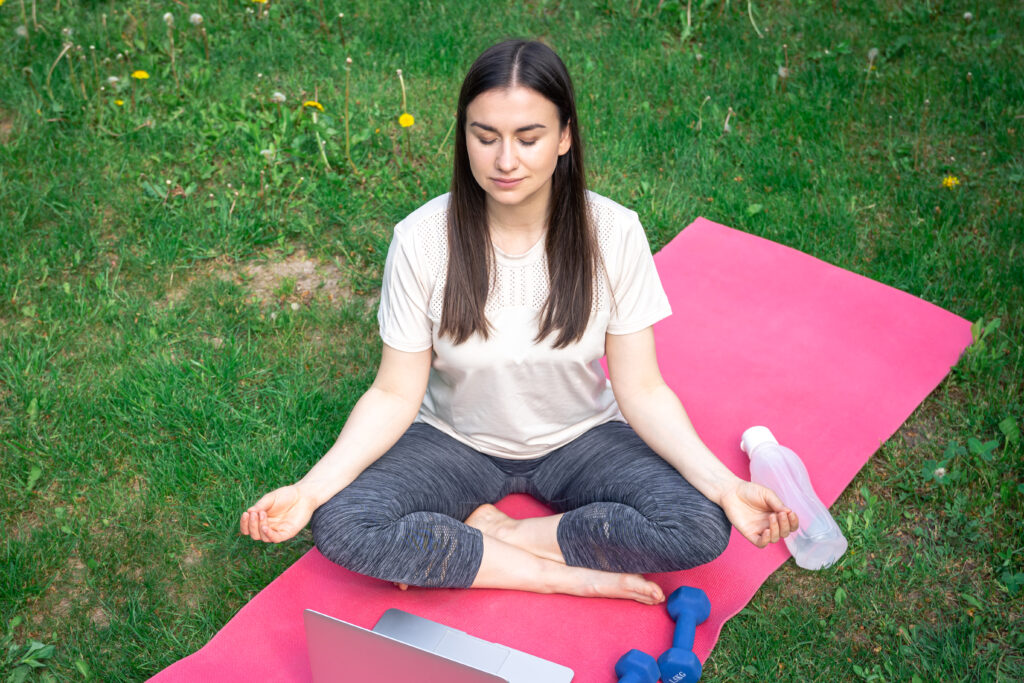
A person who starts their day with meditation and a short walk feels more relaxed
and focused compared to someone who immediately checks their phone and feels rushed.
2. Eat a Balanced and Nutritious Diet
What you eat directly affects your physical health and also your mental health. A balanced diet with fruits, vegetables, proteins, and enough water helps your body function properly.
Avoid too much junk food, sugar, and processed items, as they can increase fatigue and mood swings. Healthy eating supports brain function, improves energy levels, and keeps your body active.
Example:
A person who eats fresh and home-cooked food feels energetic throughout the day,
while someone eating junk food regularly may feel tired and low.

3. Stay Physically Active Every Day
Regular physical activity is one of the best ways to maintain a healthy mind and body. Exercise helps reduce stress hormones and improves mood by releasing feel-good hormones.
You don’t need heavy workouts—simple activities like walking, yoga, or stretching for 20–30 minutes daily can make a big difference in your overall health and energy levels.
Example:
A person who walks daily feels more active and stress-free, while a person with a
sedentary lifestyle may feel lazy and mentally tired.

4. Get Proper Sleep Every Night
Good sleep is essential for both mental well-being and physical health. Lack of sleep can lead to stress, anxiety, low energy, and poor concentration.
Try to maintain a regular sleep schedule and avoid mobile screens before bedtime. Quality sleep helps your body recover and keeps your mind fresh.
Example:
A person who sleeps 7–8 hours daily feels refreshed and focused, while someone
with poor sleep may feel irritated and unproductive.

5. Reduce Screen Time and Take Breaks
Spending too much time on mobile phones and laptops can affect your mental health and increase stress levels. It can also disturb your sleep cycle.
Taking short breaks and limiting screen time helps improve focus and reduces mental fatigue.
Example:
A student who takes regular breaks from screen time can concentrate better,
while continuous screen use may cause headaches and stress.
6. Stay Connected and Talk to People
Human connection is very important for emotional health. Talking to friends, family, or loved ones can reduce stress and improve your mood.
Sharing your thoughts helps you feel lighter and supported.
Example:
A person who shares their problems with a trusted friend feels relieved,
while someone who keeps everything inside may feel overwhelmed.

7. Practice Stress Management Techniques
Managing stress is essential for maintaining a healthy lifestyle. Simple techniques like meditation, deep breathing, and mindfulness can help calm your mind.
These practices improve focus, reduce anxiety, and create a sense of peace in daily life.
Example:
A working professional who practices breathing exercises during stressful situations
can stay calm and focused, while others may feel anxious and pressured.
Final Thoughts
Building a healthy mind and body does not require big changes. Simple daily habits like eating well, staying active, sleeping properly, and managing stress can improve your overall health and well-being.
In today’s busy life, it is easy to ignore small habits, but these small steps create a big difference over time.

Dr. Saurabh Vijay Gavhane
Consultant Neuropsychiatrist • Deaddiction Specialist • SexologistSanvedna Hospital, Aurangabad
Dr. Saurabh Vijay Gavhane is a dedicated Consultant Neuropsychiatrist with a strong belief that mental health care should be compassionate, stigma-free, and deeply human. His approach goes beyond prescriptions — he listens with empathy and treats with scientific clarity.
With experience in managing depression, anxiety, stress-related conditions, sleep disorders, addiction, and emotional challenges, he has helped many individuals and families regain balance, confidence, and emotional strength.
Quick Links
Contact
- Plot No. 58, Sant Tukoba Nagar (Prabodhankar Thakre Nagar), N2 CIDCO, Chhatrapati Sambhajinagar, Maharashtra.
- Sanvednahospital.gavhane@gmail.com
- +918421033336
- +917507443084 (gynaecology)
All rights reserved "Sanvedna Hospital"
