- Sanvednahospital.gavhane@gmail.com
- Plot No. 58, Sant Tukoba Nagar (Prabodhankar Thakre Nagar), N2 CIDCO, Chhatrapati Sambhajinagar, Maharashtra.
Best De-Addiction Centre in Chhatrapati Sambhajinagar (Aurangabad): What to Look For
Addiction can affect much more than a person's physical health. Alcohol, tobacco, drugs and other addictive substances can gradually affect mental health, relationships, work, finances and family life. For many people, stopping on their own can be difficult, especially when withdrawal symptoms, cravings or underlying mental-health concerns are involved.
If you are searching for the best de-addiction centre in Chhatrapati Sambhajinagar (Aurangabad), it is important to look beyond advertisements and focus on the quality of medical assessment, psychiatric care, counselling, confidentiality and long-term recovery support.

What Is De-Addiction Treatment?
De-addiction treatment is a structured approach to helping a person reduce or stop dependence on alcohol, tobacco, drugs or other addictive substances.
Treatment is not simply about asking someone to “stop using.” A proper assessment looks at:
Personalised Treatment Matters: This assessment helps the doctor understand the individual's needs and develop an appropriate treatment plan.
When Should You Consider a De-Addiction Consultation?
Many people delay treatment because they feel they can stop whenever they want. However, certain signs may indicate that professional help is needed.
You should consider speaking with a de-addiction specialist if:
- You are unable to control your substance use
- You need increasing amounts to get the same effect
- You experience cravings frequently
- You experience withdrawal symptoms when you try to stop
- Substance use is affecting your work or studies
- Relationships with family members are being affected
- You have tried to quit several times but returned to using
- Alcohol or drugs are affecting your physical or mental health
- You are using substances to cope with stress, anxiety or emotional problems
Early support can make a difference. Seeking professional help early can make it easier to address the problem before it becomes more difficult to manage.

Why Medical Supervision Matters in De-Addiction
Stopping certain substances suddenly can sometimes cause significant withdrawal symptoms. The risks depend on the substance, amount and duration of use, as well as the person's overall health.
Medical guidance is important. For this reason, de-addiction should not always be approached as a simple “quit at home” process.
A qualified doctor can assess the person's condition and determine whether medical treatment, counselling, psychiatric care, monitoring or a combination of approaches is appropriate.
The goal is not only to stop substance use but also to address the factors that may contribute to continued dependence.
Addiction and Mental Health Often Go Together
Addiction and mental-health concerns can sometimes occur together.
A person struggling with addiction may experience emotional, psychological or behavioural changes alongside substance use. Recognising these concerns can be an important part of comprehensive de-addiction care.
A person struggling with addiction may also experience:
Similarly, some people may begin using alcohol or substances while trying to cope with emotional distress.
Why a complete assessment matters: This is why a neuropsychiatric and de-addiction assessment can be valuable. Treating only the substance use without understanding associated mental-health concerns may not address the complete picture.
What Should You Look for in a De-Addiction Centre?
Choosing a de-addiction centre is an important decision. Instead of choosing a centre only because it is advertised as the “best,” consider whether it provides appropriate professional care.
Qualified Medical Professionals
Treatment should involve appropriately qualified doctors and mental-health professionals who can assess addiction and associated psychiatric or medical concerns.
Individualised Treatment
Every person's addiction history is different. Treatment should be based on the individual's substance use, health, mental-health status and recovery needs.
Confidential and Respectful Care
Addiction can carry significant stigma. A supportive and non-judgmental environment can make it easier for patients and families to seek help.
Counselling and Psychological Support
Recovery often involves more than managing physical dependence. Counselling can help patients understand triggers, cravings, emotional difficulties and behavioural patterns.
Family Involvement
Addiction affects families too. When appropriate, family counselling and education can help relatives understand the condition and support recovery.
Long-Term Recovery Planning
Recovery does not end simply because substance use has stopped. Follow-up care, relapse-prevention strategies and ongoing support may be important for maintaining progress.
Recovery is a process. Effective de-addiction care should look beyond stopping substance use and consider the person's physical health, mental well-being, family environment and long-term recovery needs.

De-Addiction Treatment at Sanvedna
At Sanvedna Woman & Mind Care Hospital, Chhatrapati Sambhajinagar, de-addiction is part of the hospital's neuropsychiatry services. The hospital identifies Dr. Saurabh Vijay Gavhane as a Consultant Neuropsychiatrist and Deaddiction Specialist, with expertise that includes de-addiction and related mental-health concerns.
The focus is on understanding the individual rather than treating addiction as a single problem. A consultation can help assess substance use, associated psychological concerns and appropriate treatment options.
Hospital Address:
Plot No. 58, Sant Tukoba Nagar (Prabodhankar Thakre Nagar),
N2 CIDCO, Chhatrapati Sambhajinagar, Maharashtra.
Why Confidentiality Matters in Addiction Treatment
One of the biggest barriers to seeking de-addiction treatment is fear of judgement.
People may worry about what their family, friends or society will think. But addiction is a health concern that deserves appropriate medical attention.
A confidential consultation gives patients an opportunity to discuss their substance use honestly and understand their treatment options without unnecessary judgement.
Asking for help is not a weakness. It can be the first step towards recovery.
Can Addiction Be Treated?
Yes, addiction can be treated, but recovery can look different for each person.
Some people may need medical management, while others may benefit from a combination of psychiatric care, counselling, behavioural interventions, family support and follow-up.
There can also be setbacks during recovery. A return to substance use does not necessarily mean that treatment has failed. It may indicate that the treatment plan needs to be reassessed and strengthened.
The goal of recovery: The important goal is to continue working towards sustained recovery and better overall health.
When Should a Family Seek Help?
Families do not always have to wait until the situation becomes severe. Consider seeking professional guidance when you notice significant changes such as:
- Increasing alcohol or drug use
- Repeated unsuccessful attempts to quit
- Aggressive or unpredictable behaviour
- Withdrawal from family and social activities
- Financial problems related to substance use
- Declining work or academic performance
- Repeated health problems
- Severe mood or behavioural changes
Early guidance can help. Early professional guidance can help families understand what is happening and what steps may be appropriate.
Looking for a De-Addiction Centre in Chhatrapati Sambhajinagar?
If you are searching online for the best de-addiction centre in Chhatrapati Sambhajinagar (Aurangabad), don't choose a facility only because of the word “best” in its advertising.
Look for qualified medical care, confidential consultation, personalised treatment, mental-health assessment, counselling and long-term recovery support.
Sanvedna Woman & Mind Care Hospital provides neuropsychiatry and de-addiction care in Chhatrapati Sambhajinagar, with Dr. Saurabh Vijay Gavhane identified by the hospital as a Consultant Neuropsychiatrist and Deaddiction Specialist.
Final Thought
Addiction can affect anyone, and seeking treatment should never be a matter of shame. With the right professional support, individuals can work towards reducing dependence, improving their mental and physical health, rebuilding relationships and moving towards a healthier life.
Recovery takes courage and support. If you or someone in your family is struggling with alcohol, tobacco, drugs or another addictive substance, consider speaking with a qualified de-addiction specialist in Chhatrapati Sambhajinagar for an appropriate assessment and treatment plan.
Taking the first step towards professional help can make it easier to understand the problem, explore suitable treatment options and begin working towards long-term recovery.
Sanvedna Woman & Mind Care Hospital
Plot No. 58, Sant Tukoba Nagar (Prabodhankar Thakre Nagar), N2 CIDCO, Chhatrapati Sambhajinagar, Maharashtra.
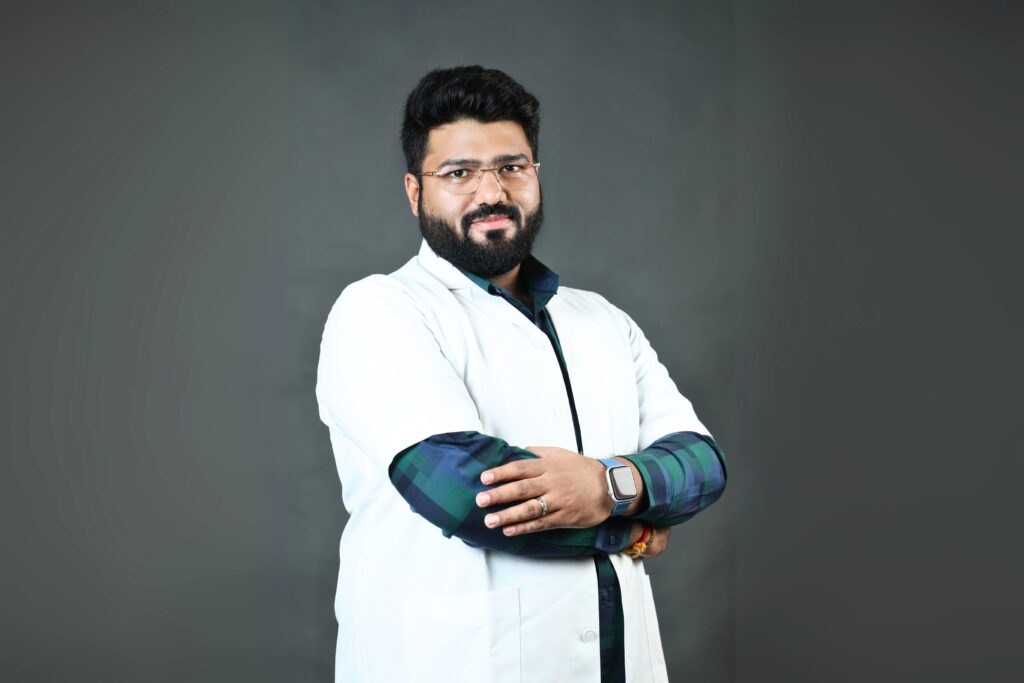
Dr. Saurabh Vijay Gavhane
Consultant Neuropsychiatrist • Deaddiction Specialist • Sexologist
Sanvedna Woman & Mind Care Hospital, Chhatrapati Sambhajinagar
Dr. Saurabh Vijay Gavhane is a dedicated Consultant Neuropsychiatrist, Deaddiction Specialist and Sexologist who believes that every patient deserves to be heard with understanding, privacy and respect. His approach combines medical knowledge with a clear understanding of the emotional and psychological factors that can affect a person's well-being.
As a Sexologist, he provides a confidential and non-judgmental environment for men seeking help for concerns such as erectile dysfunction, premature ejaculation, low sexual desire, performance anxiety and other sexual health concerns. His focus is on understanding the individual cause of the problem and guiding patients towards appropriate, personalised care.
Understanding each patient's concerns with privacy, empathy and respect.
Identifying contributing factors and providing appropriate personalised care.
“Understanding the concern is the first step towards better health.”
Confidential care matters. Discussing sexual-health concerns with a qualified professional can be an important first step toward understanding the problem and exploring suitable treatment options.
Quick Links
Contact
- Plot No. 58, Sant Tukoba Nagar (Prabodhankar Thakre Nagar), N2 CIDCO, Chhatrapati Sambhajinagar, Maharashtra.
- Sanvednahospital.gavhane@gmail.com
- +918421033336 (Psychiatry)
- +917507443084 (Gynaecology)
