Hormonal Acne: Causes and Treatment
Introduction
Hormonal acne is one of the most common skin problems faced by teenagers and adults, especially women.
Unlike regular acne, hormonal acne is closely connected to changes in hormone levels inside the body.
These hormonal fluctuations can increase oil production in the skin, clog pores, and lead to pimples, inflammation, and breakouts.
Many women experience hormonal acne during puberty, menstruation, pregnancy, menopause, or conditions like PCOS.
Stress, unhealthy eating habits, lack of sleep, and lifestyle changes can also worsen acne problems.
Hormonal acne not only affects physical appearance but can also reduce confidence and emotional well-being.
Understanding the causes, symptoms, and treatment options can help manage acne effectively and improve skin health naturally.
What Is Hormonal Acne?
Hormonal acne occurs when changes in hormone levels increase oil production in the skin.
Excess oil, dead skin cells, and bacteria block pores, leading to acne breakouts.
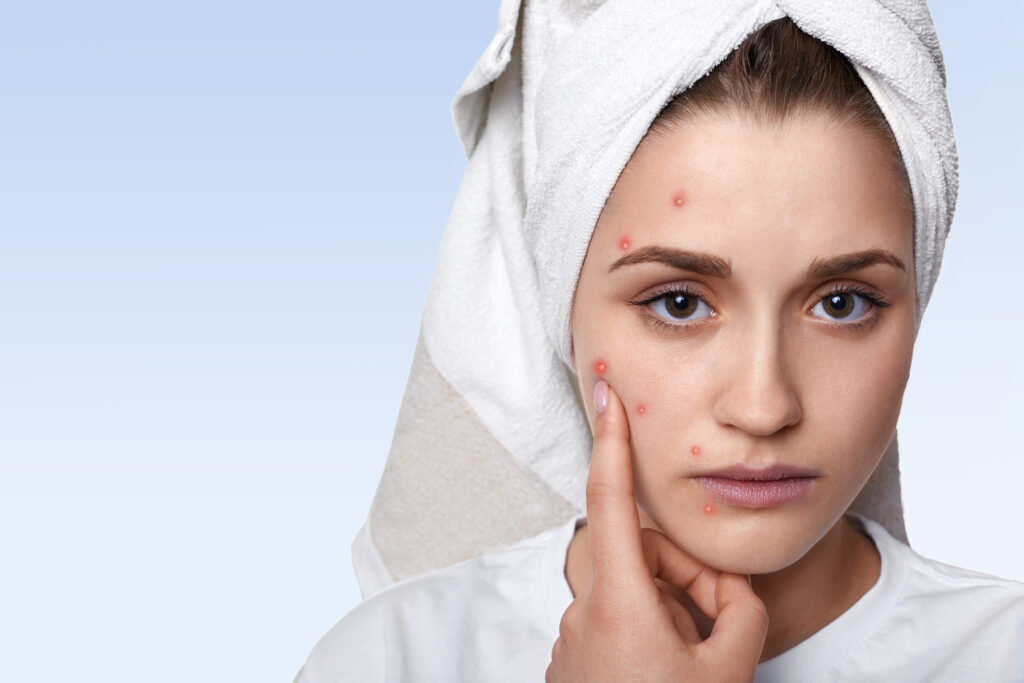
This type of acne commonly appears on the chin, jawline, cheeks, and lower face.
Hormonal acne may include painful pimples, cysts, blackheads, or deep inflammatory bumps.
Unlike occasional pimples, hormonal acne often returns repeatedly during certain hormonal changes in the body.
Example:
A woman may notice painful acne appearing around her jawline every month before her menstrual cycle.
Common Causes of Hormonal Acne
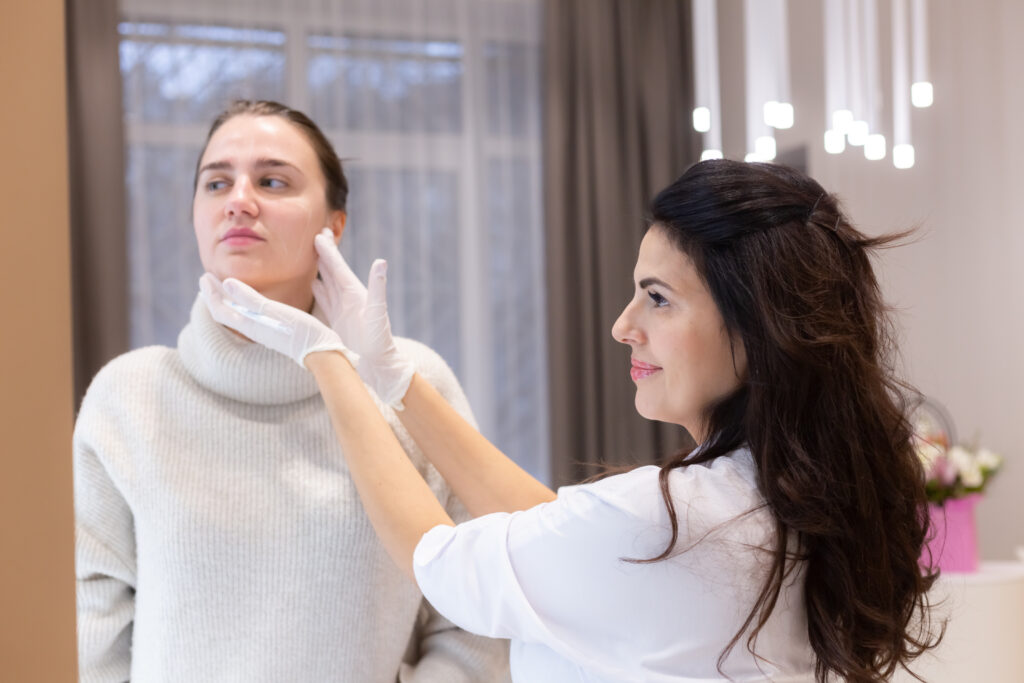
There are several factors that can trigger hormonal acne.
Hormonal fluctuations during puberty, periods, pregnancy, menopause, or PCOS are among the most common causes.
Stress also increases cortisol levels, which may stimulate oil glands and worsen acne.
Poor diet, excessive sugar intake, lack of sleep, and unhealthy lifestyle habits can further disturb hormonal balance.
Genetics may also play a role, as some people naturally have more sensitive skin or hormonal reactions.
Example:
A teenager going through puberty may suddenly develop acne because of increased hormone activity in the body.
Hormonal Acne and PCOS
Polycystic Ovary Syndrome (PCOS) is one of the major causes of hormonal acne in women.
PCOS affects hormone levels and may increase androgen hormones, which stimulate excess oil production.
Women with PCOS often experience acne along with irregular periods, weight gain, excessive hair growth, or hair thinning.
Managing hormonal imbalance through medical guidance and healthy lifestyle changes can help reduce acne symptoms linked to PCOS.
Example:
A woman experiencing acne, irregular periods, and sudden weight gain may need evaluation for PCOS.
How Stress Affects Hormonal Acne
Stress has a strong connection with skin health.
When the body experiences stress, it produces hormones like cortisol that may increase inflammation and oil production.
This can worsen acne breakouts and slow down skin healing.
Emotional stress, anxiety, poor sleep, and overthinking may all contribute to recurring acne problems.
Maintaining emotional balance and stress management is important for healthier skin.
Example:
A person under constant work or academic pressure may notice acne worsening during stressful periods.
Foods That May Trigger Hormonal Acne
Diet plays an important role in skin and hormonal health.
Excess sugar, junk food, oily foods, soft drinks, and processed snacks may increase inflammation and worsen acne in some people.
High sugar intake may affect insulin levels and contribute to hormonal imbalance, which can trigger breakouts.
Eating fresh fruits, vegetables, healthy fats, and drinking enough water may help improve skin health naturally.
Example:
A person who regularly consumes fast food and sugary drinks may experience more frequent acne breakouts.
Effective Treatment Options
Treatment for hormonal acne depends on its severity and underlying cause.
Doctors may recommend skincare products, medications, hormone-balancing treatments, or lifestyle changes.
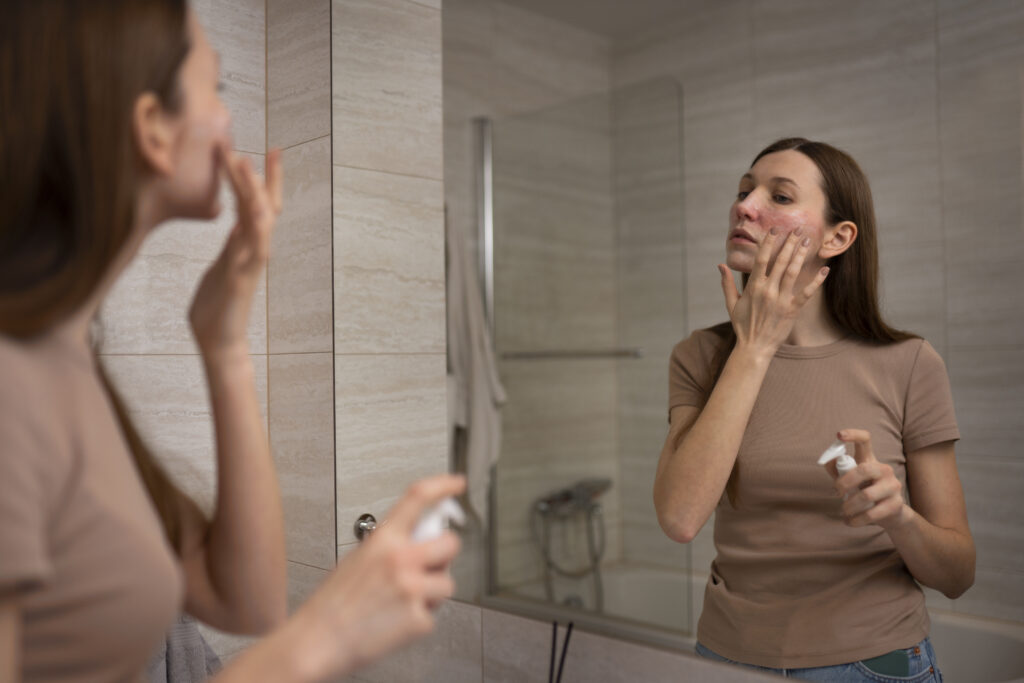
Gentle skincare routines, proper hydration, healthy diet, and stress management can support long-term skin improvement.
In some cases, dermatologists or gynecologists may suggest hormonal treatment options for managing severe acne linked to hormonal imbalance or PCOS.
Example:
A woman with severe recurring acne may see improvement after receiving proper hormonal treatment and following a healthy skincare routine.
Natural Ways to Manage Hormonal Acne
Simple lifestyle changes can help reduce hormonal acne naturally.
Maintaining a healthy diet, sleeping properly, exercising regularly, and reducing stress support hormonal balance and skin health.
Using mild skincare products, avoiding excessive touching of the face, and staying hydrated also help improve acne symptoms.
Consistency is important because hormonal acne often improves gradually with healthy habits.
Example:
A person who follows a balanced diet, drinks enough water, and manages stress may notice healthier and clearer skin over time.
When to See a Doctor
Mild acne is common, but severe or painful acne that repeatedly returns should not be ignored.
If acne affects confidence, leaves scars, or does not improve with home care, medical advice may be necessary.
Doctors can identify underlying hormonal conditions and recommend proper treatment based on individual health needs.
Early treatment can prevent long-term skin damage and improve emotional well-being.
Example:
A woman experiencing painful cystic acne for several months should consult a dermatologist or gynecologist for proper evaluation.
Final Thoughts
Hormonal acne is a common but manageable condition that affects many women and young adults.
Hormonal changes, stress, diet, and lifestyle habits all play a major role in skin health.
Understanding the causes of hormonal acne and making healthy lifestyle changes can help improve both skin condition and emotional confidence.
A balanced diet, proper sleep, stress management, hydration, and timely medical support can help maintain clearer, healthier, and more balanced skin naturally.

Dr. Saurabh Vijay Gavhane
Consultant Neuropsychiatrist • Deaddiction Specialist • SexologistSanvedna Hospital, Aurangabad
Dr. Saurabh Vijay Gavhane is a dedicated Consultant Neuropsychiatrist with a strong belief that mental health care should be compassionate, stigma-free, and deeply human. His approach goes beyond prescriptions — he listens with empathy and treats with scientific clarity.
With experience in managing depression, anxiety, stress-related conditions, sleep disorders, addiction, and emotional challenges, he has helped many individuals and families regain balance, confidence, and emotional strength.
Quick Links
Contact
- Plot No. 58, Sant Tukoba Nagar (Prabodhankar Thakre Nagar), N2 CIDCO, Chhatrapati Sambhajinagar, Maharashtra.
- Sanvednahospital.gavhane@gmail.com
- +918421033336
- +917507443084 (gynaecology)
All rights reserved "Sanvedna Hospital"
