
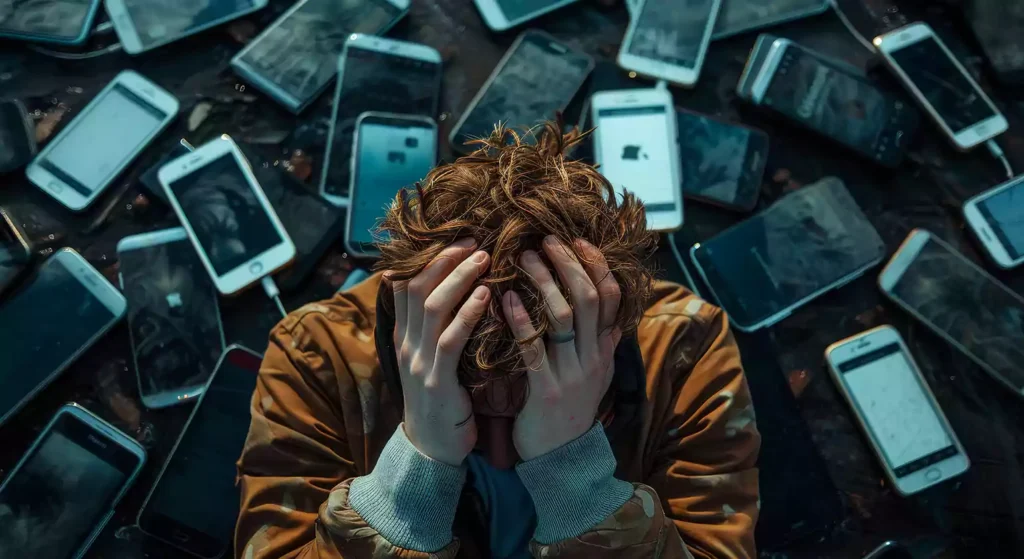
Youth Mental Health in the Digital Age
How screens, social media, and modern lifestyle are shaping the emotional and mental well-being of today’s youth.
Understanding the Impact of Screens, Social Media & Modern Lifestyle
Today’s youth is growing up in a world very different from previous generations. Smartphones, social media, online classes, gaming, and constant internet access have become part of daily life. While technology brings many benefits, it also creates new mental health challenges for young people that cannot be ignored.
Across India, including Aurangabad CSN, doctors are seeing a growing number of adolescents and young adults struggling with stress, anxiety, mood changes, and emotional overload linked to digital habits.
Understanding these challenges is the first step toward protecting youth mental health and supporting emotional well-being in today’s fast-paced digital world.

How the Digital Age Is Affecting Youth Mental Health
1. Excessive Screen Time
Many young people spend 6–10 hours daily on mobile phones, laptops, or tablets. Prolonged screen exposure overloads the brain.
- Mental fatigue and constant tiredness
- Poor concentration and reduced attention span
- Headaches and digital eye strain
- Irritability and restlessness
Over time, constant stimulation makes it difficult for the brain to relax.
2. Social Media Pressure
Social media often shows a filtered version of life. Youth may compare appearance, success, or popularity with others.
- Low self-esteem and self-doubt
- Fear of missing out (FOMO)
- Body image concerns
- Constant need for validation
This pressure can slowly develop into anxiety or emotional withdrawal.
3. Sleep Disturbance
Late-night scrolling, gaming, or watching reels disturbs natural sleep cycles.
- Mood swings and irritability
- Poor academic performance
- Increased stress levels
- Reduced emotional control
Quality sleep is essential for healthy brain development.
4. Academic & Career Stress
Online competition and career pressure push youth to achieve more at a younger age.
- Chronic stress
- Anxiety attacks
- Burnout
- Loss of motivation
5. Reduced Real-Life Interaction
Spending more time online often means less quality time with family and friends.
This lack of emotional connection can lead to loneliness — a major risk factor for depression.
Warning Signs Parents & Youth Should Not Ignore
Early signs of mental health struggles are often subtle and may be overlooked. Paying attention to emotional and behavioral changes can help in early identification and timely support.
Seek professional help if a young person shows:
- Constant sadness or irritability
- Sudden withdrawal from friends or family
- Changes in sleep patterns or appetite
- Loss of interest in studies or hobbies
- Poor concentration or memory problems
- Excessive anger or emotional outbursts
- Dependence on mobile phone or gaming
- Feelings of worthlessness or hopelessness
Early care and emotional support can make recovery faster, smoother, and more effective.
How Parents Can Support Youth Mental Health
Parents play a crucial role in protecting and strengthening a child’s mental and emotional well-being.
- Encourage open conversations without judgment
- Set healthy and realistic screen-time limits
- Promote outdoor activities and hobbies
- Ensure regular sleep routines
- Avoid comparing children with others
- Stay alert to emotional or behavioral changes
Most importantly, listen more than you speak. Feeling heard builds trust and emotional safety.
When Professional Help Is Needed
If emotional or behavioral changes continue for weeks and begin to affect daily life, academic performance, or relationships, professional mental health care becomes essential.
A mental health specialist or neuropsychiatrist can:
- Identify the root cause of emotional difficulties
- Provide counseling or therapy
- Guide healthy lifestyle and behavioral changes
- Prescribe medication when required
- Support both youth and family members
Seeking help is not a weakness — it is a positive step toward healing and emotional strength.
Mental Health Care for Youth in Aurangabad CSN
In cities like Aurangabad CSN, awareness about youth mental health is increasing, but stigma still exists. Mental health conditions are medical issues — not personal failures.
Early diagnosis and compassionate care help young people regain confidence, emotional balance, and a clear sense of direction in life.
Final Thoughts
The digital age is here to stay, but mental health should never be the price
we pay for technology. With awareness, balanced habits, family support, and
timely professional care, youth can grow into emotionally strong and
confident adults.
A healthy mind today builds a stronger future tomorrow.

Author - Dr. Saurabh Vijay Gavhane
Consultant Neuropsychiatrist — Youth Mental Health Challenges in a Digital Age, offering compassionate and personalized care for stress, depression, addiction, and sleep-related disorders, Sanvedna hospital N2 CIDCO, Chhatrapati Sambhajinagar, Maharashtra.
Quick Links
Contact
- Plot No. 58, Sant Tukoba Nagar (Prabodhankar Thakre Nagar), N2 CIDCO, Chhatrapati Sambhajinagar, Maharashtra.
- Sanvednahospital.gavhane@gmail.com
- +918421033336
- +917507443084 (gynaecology)
All rights reserved "Sanvedna Hospital"
